Sweet Pongal Recipe With Chana Dal Easy Home Cooking Step
Sweet Pongal Recipe With Chana Dal Easy Home Cooking Step
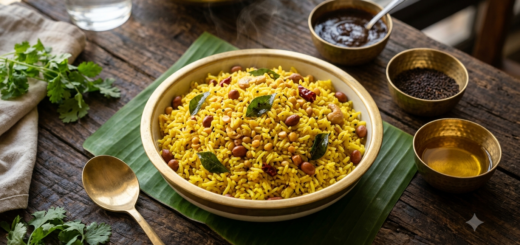
Sweet Pongal Recipe With Chana Dal Easy Home Cooking Step is a traditional South Indian sweet that combines the creamy goodness of rice with the nutty warmth of chana dal (Bengal gram) and sweet jaggery. This version includes exact quantities, precise cook times, and authentic steps you can follow easily in a home kitchen — plus extra insights for making this comforting dish. While standard sweet pongal recipes normally use moong dal, many households, especially in Andhra Pradesh and Tamil Nadu, add chana dal for extra texture and flavor — a variation deeply rooted in home cooking traditions and festive offerings.
Recipe Card
| Prep Time | 15 minutes |
| Cook Time | 35 minutes |
| Servings | 4 servings |
| Difficulty | Easy |
Ingredients With Exact Quantities
- Rice – 1 cup (200 g)
- Chana Dal (Bengal gram) – ¼ cup (50 g)
- Moong Dal (optional)** – 2 tbsp (30 g)
- Water – 3 cups (750 ml) for cooking
- Jaggery (grated) – 1 cup (200 g)
- Water – ¾ cup (180 ml) for jaggery syrup
- Ghee (clarified butter) – 3 tbsp (45 ml)
- Cashew nuts – 10–12 pieces
- Raisins – 2 tbsp (30 g)
- Cardamom powder – ½ tsp
- Pinch of salt – 1 pinch
- Edible camphor (optional) – a small pinch
Step-By-Step Instructions
1. Prepare Ingredients (0–10 Minutes)
Wash the rice and chana dal together under cold running water until the water runs clear. Soak them for 10 minutes — this short soak helps the dal cook thoroughly and gives a softer texture. Soaking for even just 10 minutes makes a noticeable difference in creaminess later.
2. Roast The Dal (10–15 Minutes)
Heat a heavy-bottomed pan on medium flame and add the chana dal (and moong dal if using). Dry roast for about 4–5 minutes until you smell a lightly nutty aroma. Stir constantly to prevent burning. This step elevates the flavor of your Sweet Pongal. Understanding Sweet Pongal Recipe Chana is essential.
3. Cook Rice And Dal (15–30 Minutes)
Transfer the rinsed rice and roasted dal to a pressure cooker or pot. Add 3 cups of water and a pinch of salt. Close the lid and cook until the rice and dal are very soft and mashable (around 3–4 whistles in a pressure cooker or about 25–30 minutes on stovetop). Let the pressure release naturally.
4. Make Jaggery Syrup (While Rice Cooks – 10 Minutes)
In a separate small saucepan, add the grated jaggery and ¾ cup water. Heat on low flame until the jaggery melts completely, then strain the syrup to remove impurities. This ensures a smooth texture without graininess. Keep the syrup warm.
5. Combine And Cook (30–35 Minutes)
Once the rice and dal are cooked, open the cooker and mash gently with the back of a ladle or a masher. Pour the warm jaggery syrup into the cooked rice and dal. Add the cardamom powder and a small pinch of edible camphor if using. Stir well and cook on low flame for about 5–7 minutes until everything blends into a creamy pudding-like consistency. This relates to Sweet Pongal Recipe Chana.
6. Temper With Ghee And Nuts (35 Minutes)
In a small pan, heat the ghee, then add cashew nuts and raisins. Fry until the cashews turn golden and the raisins puff up. Pour this aromatic ghee-nut mixture over your Sweet Pongal and stir once more. Serve hot or warm.
Pro Tips
- Balance Sweetness: Start with 1 cup jaggery. After cooking, taste and add up to 2 tbsp extra if you prefer a sweeter pongal. Sweetness varies with jaggery quality.
- Texture Matters: Some like a slightly grainier texture from chana dal; others prefer it softer. Adjust dal quantity by ±1 tbsp for desired consistency.
- Ghee Quality: Using homemade ghee is recommended — it adds a depth of flavor that store-bought ones lack.
- Even Cooking: Let the pressure release naturally after cooking rice and dal. This prevents overcooking and mushiness.
Chef’s Notes
Substitutions
If you don’t have jaggery, raw sugar or palm sugar works as substitutes, though the flavor shifts slightly. For a more traditional taste, jaggery is best. You may use moong dal instead of or in addition to chana dal for a creamier base.
Storage Tips
Store leftover Sweet Pongal in an airtight container in the refrigerator for up to 2 days. Reheat with a splash of warm water or milk before serving to loosen the texture. Avoid freezing, as the texture changes upon thawing.
Nutrition Information (Approx Per Serving)
| Calories | 310 kcal |
| Carbohydrates | 58 g |
| Protein | 6 g |
| Fat | 8 g |
| Fiber | 2 g |
| Sugar | 24 g |
Note: Nutrition estimates are approximations based on standard ingredients and methods.
Why This Dish Is Special
Sweet Pongal is more than a dessert — it’s a festive offering in many South Indian homes and temples. According to tradition, it is prepared for festivals like Pongal (Makara Sankranti), Navratri, and Varalakshmi Vratham as a prasadam (blessed food). The combination of rice, dal, and jaggery symbolizes prosperity and warmth. Wikipedia Pongal describes how this dish plays a central role in harvest celebrations across Southern India. Serving Sweet Pongal during auspicious days fosters a sense of community and joy around the table.
Frequently Asked Questions (FAQs)
Can I use only chana dal without rice?
You can, but the texture and traditional balance of Sweet Pongal change. Rice gives the creamy body that defines this dish.
Why didn’t my jaggery syrup go smooth?
Impurities in jaggery are common. Always strain the melted jaggery through a fine sieve before adding to the cooked rice and dal.
Is edible camphor necessary?
No — edible camphor is optional and mainly used in temple-style preparations for its aromatic touch.
In traditional homes during Sankranti celebrations, this sweet dish brings everyone together — children eagerly waiting for a spoonful and elders sharing stories. Notably, simple ingredients, when cooked with care, transform into something rich and soulful.