Ven Pongal Recipe Tamilnadu Style Easy Cooking Procedure
Ven Pongal Recipe Temple Style Easy Cooking Process Instant
Ven Pongal Recipe Temple Style is a beloved South Indian savory dish traditionally offered as prasadam in temples like Sarangapani Temple and Parimala Ranganatha Perumal Temple during their daily neivethanam rituals — often alongside curd rice and sweet pongal. This humble yet flavorful rice–dal dish is creamy, aromatic and comforting, ideal for breakfast or lunch. Ven Pongal — also called Khara Pongal or Ghee Pongal — is made with rice, yellow moong dal, spices, ghee and seasoning for that authentic temple-style experience. For more details, check the Incredible India.
Recipe Card
| Prep Time | 10 mins |
|---|---|
| Cook Time | 30 mins |
| Total Time | 40 mins |
| Servings | 4 servings |
| Difficulty | Easy |
Ingredients
- 1 cup short-grain white rice (e.g., Sona Masuri) — rinsed and drained
- 1/2 cup yellow moong dal (split mung) — rinsed and drained
- 5 cups water (for pressure cooking)
- 1 tsp salt (adjust to taste)
- 3 tbsp ghee (clarified butter)
- 1 tsp cumin seeds
- 1 tsp whole black peppercorns (lightly crushed)
- 1 tbsp grated ginger
- 10–12 curry leaves
- 10–12 cashew nuts
- Pinch asafoetida (hing)
Step-By-Step Instructions
1. Rinse And Prep (5 mins)
Wash the rice and yellow moong dal together under running water until the water runs clear. Drain completely. This ensures a creamy texture rather than clumpy grains. If you have time, soak both in warm water for 15–20 minutes. (Tip: Soaking shortens the cooking time and gives extra softness.)
2. Pressure Cook Rice And Dal (15-20 mins)
Add the rinsed rice and dal into a pressure cooker. Pour in 5 cups of water and add salt. Stir gently. Close the cooker lid and cook on medium heat until you hear 7–8 whistles (~15–20 mins). Allow the pressure to release naturally on its own. This slow release gives extra creaminess as seen in temple offerings. Understanding Ven Pongal Recipe Temple is essential. Understanding Ven Pongal Recipe Tamilnadu is essential.
3. Mash To Perfect Texture (2 mins)
Open the cooker and use a sturdy spoon or whisk to mash the cooked rice and dal thoroughly. It should be a smooth, porridge-like consistency — not grainy. If it’s too thick, add a splash of hot water and mix. This step is key for that authentic temple style finish.
4. Tempering (Tadka) (8 mins)
Heat 3 tbsp ghee in a small pan on low flame. Add cumin seeds and let them sizzle for a few seconds. Toss in crushed black peppercorns, grated ginger, cashews and curry leaves. Stir until the cashews turn golden brown and the aromas fill the kitchen. Add a pinch of asafoetida. This tempering is what elevates Ven Pongal to temple-style nirvana.
5. Combine And Serve (2 mins)
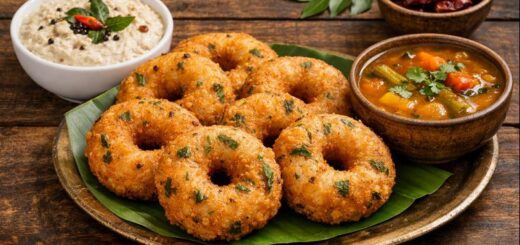
Pour the hot tempering over the mashed rice and dal. Gently fold everything together so the spices and ghee permeate the mixture. Serve hot with fresh coconut chutney, sambar or crispy medu vada for a complete meal. This relates to Ven Pongal Recipe Temple. This relates to Ven Pongal Recipe Tamilnadu.
Pro Tips From Personal Cooking Experience
- More Ghee, More Soul: Temples don’t skimp on ghee. I personally recommend adding an extra tablespoon for richness — especially if serving guests.
- Crush Pepper Lightly: Whole peppercorns give a bold spice, but lightly crush them if you prefer milder heat in every bite.
- Cashew Timing: Fry cashews last — they brown quickly. Once they turn golden, remove them immediately to avoid bitterness.
- Adjust Water: If the mixture dries too soon while cooking, add a ladle of hot water — this keeps the texture creamy like temple style prasadam.
- Serve Immediately: Ven Pongal tastes best hot. If left to sit, it becomes thicker — you’ll need to stir in hot water again.
Chef’s Notes
Substitutions
- Rice: If you don’t have short-grain rice, use any soft Indian white rice (e.g., ponni or basmati) but expect a slightly different texture.
- Vegan Option: Substitute ghee with coconut oil or vegan butter, though flavor will be lighter.
- No Curry Leaves? Fresh cilantro (coriander) at the end brightens the dish.
Storage Tips
- Fridge: Cool completely, then store in an airtight container for up to 3 days.
- Reheat: Add a splash of hot water before reheating to loosen the texture.
- Freeze: You can freeze Ven Pongal for up to 1 month. Reheat in a microwave or stovetop with water to return creaminess.
Nutrition Information (Per Serving – Approximate)
| Nutrient | Amount |
|---|---|
| Calories | 310–350 kcal |
| Carbohydrates | 45–50 g |
| Protein | 8–10 g |
| Fat | 12–15 g |
| Fiber | 2–3 g |
This nutrition estimate is based on typical South Indian Ven Pongal composition with rice, moong dal, ghee and spices. Actual values vary by brand of ingredients and amounts used. (For reference, sweet pongal has ~272 kcal/serving in a dessert version.)
Frequently Asked Questions
Is Ven Pongal Healthy?
Yes. It combines carbohydrates from rice with protein from moong dal and healthy fats from ghee. The pepper and cumin add digestive benefits. Adjust ghee and salt to your needs for a healthier meal.
Can I Make This In An Instant Pot?
Absolutely. Use the rice/porridge setting with the same ratios, cook for about 12–14 minutes, then do a natural pressure release. Finish with tempering as above. Learn more about Ven Pongal Recipe Temple. Learn more about Ven Pongal Recipe Tamilnadu.
What To Serve With Temple Style Ven Pongal?
Traditionally served with coconut chutney, sambar, medu vada or pickles, but yogurt or fresh fruit can also balance the richness.
When I visited the temples in Tamil Nadu, especially early morning prayers, the aroma of freshly cooked Ven Pongal during neivethanam made me pause — its simple ingredients transformed into comfort on a plate. What surprised me was how such a humble preparation could be so satisfying and soulful.