Sakkarai Pongal Recipe Without Pressure Cooker Easy
Sakkarai Pongal Recipe Without Pressure Cooker Easy Instant Sweet Pongal
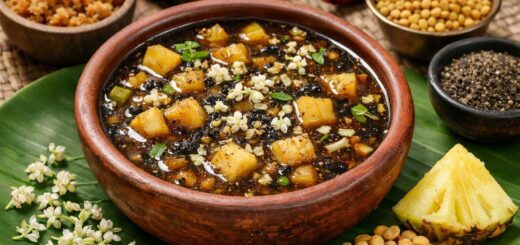
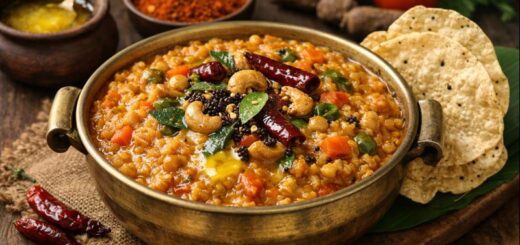
Sakkarai Pongal Recipe Without Pressure Cooker is a beautifully rich, traditional South Indian sweet made with rice, moong dal, jaggery, ghee and aromatic spices — prepared entirely on the stovetop without a pressure cooker, perfect for festival days or any celebration.
Recipe Card
| Prep Time | 15 minutes |
|---|---|
| Cook Time | 45–55 minutes |
| Servings | 4–5 people |
| Difficulty | Easy |
Ingredients
- 1 cup raw short-grain rice (like Ponni or Sona Masuri)
- ¼ cup yellow moong dal (split mung beans)
- 3 cups water (for cooking rice & dal)
- ¾ cup grated jaggery (use paagu vellam for best colour & flavour)
- ½ cup water (to dissolve jaggery)
- 3–4 tbsp ghee (clarified butter)
- 1 tsp cardamom powder
- 6–8 cashew nuts
- 2 tbsp raisins
- Pinch of salt
- Optional: pinch of edible camphor and nutmeg powder for temple flavour
Step-By-Step Instructions
1. Prepare Rice & Moong Dal
Rinse the rice and moong dal together under cold running water until the water runs clear (about 2–3 rinses). In a heavy-bottomed pot or deep kadai, add the washed rice and dal with 3 cups of water and a pinch of salt. Turn the heat to medium and bring to a boil.
Once boiling, reduce heat to low, cover with a tight lid, and let cook. Check every 10 minutes and stir gently to prevent sticking. You want the rice and dal to become very soft and mashable, almost porridge-like. This stovetop method takes around 30–35 minutes depending on your pot and heat source. Understanding Sakkarai Pongal Recipe Without is essential.
2. Dissolve Jaggery
While the rice and dal cook, add the grated jaggery and ½ cup water to a small saucepan. Warm it on low flame until the jaggery melts completely, stirring occasionally. Strain this liquid through a fine mesh strainer to remove any impurities — jaggery often contains tiny molasses bits or grit. Set aside the smooth jaggery syrup.
3. Combine Rice & Jaggery
Once the rice and dal are soft, use a wooden spoon or ladle to lightly mash the mixture in the pot so it becomes creamy. Slowly pour in the jaggery syrup and mix gently. Be careful — the mixture may sputter when jaggery hits hot rice.
Increase the heat to medium-low and stir continuously for about 8–10 minutes. The mixture will begin to thicken as the jaggery infuses with the rice and dal. If it seems too thick, add 1–2 tbsp water to loosen it. This relates to Sakkarai Pongal Recipe Without.
4. Temper With Ghee & Spices
In a small pan, heat 1 tbsp ghee. Add cashew nuts and roast until golden, then add raisins and fry until they puff up. Remove and set aside. Add the remaining ghee to the pongal mixture along with cardamom powder and, if using, pinch of edible camphor and nutmeg powder. Stir well.
5. Final Cooking
Continue to cook on low for another 5 minutes, stirring gently so the pongal becomes smooth and glossy. Add the roasted cashews and raisins and fold in. Turn off the heat and let rest for a few minutes before serving.
Pro Tips From My Kitchen
- Use short-grain rice — it releases more starch, giving the pongal a creamier texture that’s hard to beat.
- Depending on jaggery sweetness, adjust the quantity by ±2 tbsp — some jaggeries are sweeter or more molasses-rich. I personally recommend paagu vellam for authentic colour and flavour.
- If your pongal thickens too much as it cools, add warm water or a splash of warm milk before reheating.
- When I visited a traditional home in Tamil Nadu during Pongal festival, I noticed they slow-cook this dish in earthen pots over firewood — that deepens the aroma beautifully.
- Stirring constantly once jaggery is added helps prevent the bottom from burning, especially on stovetop.
Chef’s Notes
Substitutions
- Vegan option: Replace ghee with coconut oil or vegan butter. Skip milk.
- Nut-free: Omit cashews and raisins; roasted pumpkin seeds make a wonderful crunchy alternative.
- Sweetness tweak: Some cooks add a small splash of milk near end for a richer mouthfeel — this is optional and shortens storage time.
Storage Tips
- Allow to cool completely, then store in an airtight container.
- At room temperature, it stays fresh for up to 12 hours; chilled in the fridge, up to 2 days. Reheat with a splash of water on low heat.
- Do not store with milk if you added milk — it spoils faster.
Nutrition Information (Approx. Per Serving)
| Calories | ~280 kcal |
|---|---|
| Carbohydrates | 55–60 g |
| Protein | 4–6 g |
| Fat | 8–12 g |
| Sugar | 22–28 g |
This nutrition estimate is based on similar recipes; actual values vary with jaggery and ghee used. Learn more about Sakkarai Pongal Recipe Without.
Why Sakkarai Pongal Is So Special
Sakkarai Pongal isn’t just a recipe — it’s a celebration of the harvest. Wheat, rice and jaggery represent the season’s bounty. During the Pongal festival, this sweet dish is offered as prasadam (sacred food offering) in many temples across South India. On the official Pongal celebration page, traditional foods like Sakkarai Pongal are highlighted as central to the festival customs. Learn more about Pongal traditions on Wikipedia.
Frequently Asked Questions
Can I make Sakkarai Pongal without jaggery?
Yes, you can substitute jaggery with brown sugar or raw cane sugar, but the authentic taste and colour unique to Tamil and Telugu versions will change significantly. Traditional jaggery imparts deep caramel tones that sugar cannot mimic.
Why is my pongal grainy instead of creamy?
This happens when rice and dal aren’t cooked until very soft. Be patient with stovetop cooking. Once jaggery is added, rice stops cooking further, so ensure the base is soft before adding the sweet syrup. This relates to sakkarai pongal recipe without.
Can I double the recipe?
Absolutely. When doubling, increase water proportionally. Just ensure your cooking pot is large enough to prevent bubbling over. Stir more frequently with bigger batches.
Serving Suggestions
Serve Sakkarai Pongal warm in small bowls with a drizzle of extra ghee on top. It pairs beautifully with simple South Indian filter coffee or as a dessert after a festive meal. I personally recommend enjoying this on festival mornings — the aroma fills the home with warmth and tradition.